Sewer Camera Inspection
We feed a camera through the cleanout, record the full run, and mark the failure above ground. You watch the monitor with us and get a copy of the footage. This step is included on every repair we quote.
Sewer Line Repair in Arizona means finding the actual break, not guessing at it. We run a sewer camera down the line, show you the footage, and fix the pipe with trenchless sewer repair Arizona methods whenever the damage allows. From Gilbert to Kayenta, our licensed crews handle residential and commercial sewer pipe repair Arizona wide, with same-day emergency response when your line backs up.
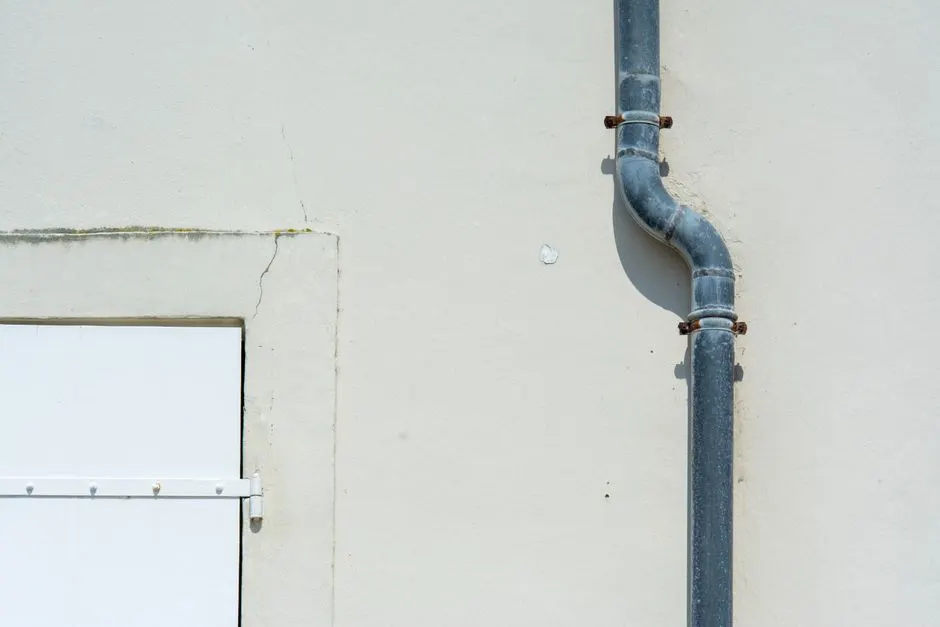
Sewer Line Repair in Arizona is the diagnosis and correction of a damaged underground pipe that carries waste from your home or business to the municipal main or septic system. That damage usually shows up as a backup, a sewage smell, a soggy patch in the yard, or a slow drain that no plunger fixes. We locate the failure with a sewer camera, measure the depth and pipe material, then repair or replace the failed section using PVC pipe, ABS pipe, or cast iron pipe matched to your existing line.
Arizona sewer line repair is not one problem. It is several. In older Phoenix and Tucson neighborhoods, clay sewer pipe from the 1950s and 1960s has shifted and cracked. In newer build areas, root intrusion from ficus and mesquite finds the joints within a decade. And in mountain towns, freeze-thaw cycles work the soil loose around the pipe. If you have been searching for sewer line repair in Arizona near me after a weekend backup, you already know the symptoms. We confirm the cause before we quote the fix.
Every sewer repair we do starts with a camera and ends with a test. Here is what is covered in a standard repair, and what we quote separately only when your line actually needs it.
We feed a camera through the cleanout, record the full run, and mark the failure above ground. You watch the monitor with us and get a copy of the footage. This step is included on every repair we quote.
We use a locator to pinpoint the break and measure its depth. That tells us whether we can go trenchless or need to open the ground, and it keeps the excavation footprint as small as possible.
We cut out the failed section with a pipe cutter and install new PVC pipe or ABS pipe matched to your existing line, coupled with shielded fittings. Trenchless jobs use pipe bursting or a cured-in-place liner.
Before backfill, we run water through the line and re-camera it to confirm the repair is clean, the slope is right, and no debris is left behind. You get a written report of the test results.
We backfill in compacted lifts, restore the surface with dirt, gravel, or concrete as needed, and haul away the spoil. The goal is to leave the yard looking like we were never there.
Parts and labor are warrantied in writing. If the same repaired section fails, we come back. Keep the camera footage and the warranty sheet with your home records.
You call, we ask three questions: where is it backing up, how many fixtures are affected, and is there standing sewage. That tells us whether to send an emergency truck or schedule a diagnostic visit. Most metro calls get a same-day window; outlying areas like Kayenta or San Luis get the next available slot.
We locate the cleanout, feed the sewer camera down the line, and record the run. You watch the monitor with us. We note the depth, pipe material, and the exact distance to the failure, then mark the ground above it. This step takes 30 to 45 minutes on a typical residential line.
You get a flat price for the repair, not an hourly estimate. The quote lists the method, the pipe material, the length of the repair, and whether we are trenching or going trenchless. If the camera shows a simple clog instead of a break, we tell you that and quote a drain cleaning instead.
We cut out the failed section with a pipe cutter, install new PVC pipe or ABS pipe, and couple it to the existing line with shielded fittings. Trenchless jobs use a bursting head or a liner. Most spot repairs take two to four hours; full replacements run one to two days.
Before we close anything, we flow-test the line and re-run the camera to confirm the repair is clean and the slope is correct. Then we backfill in lifts, compact the soil, and restore the surface. You get a written warranty and a copy of the camera footage.
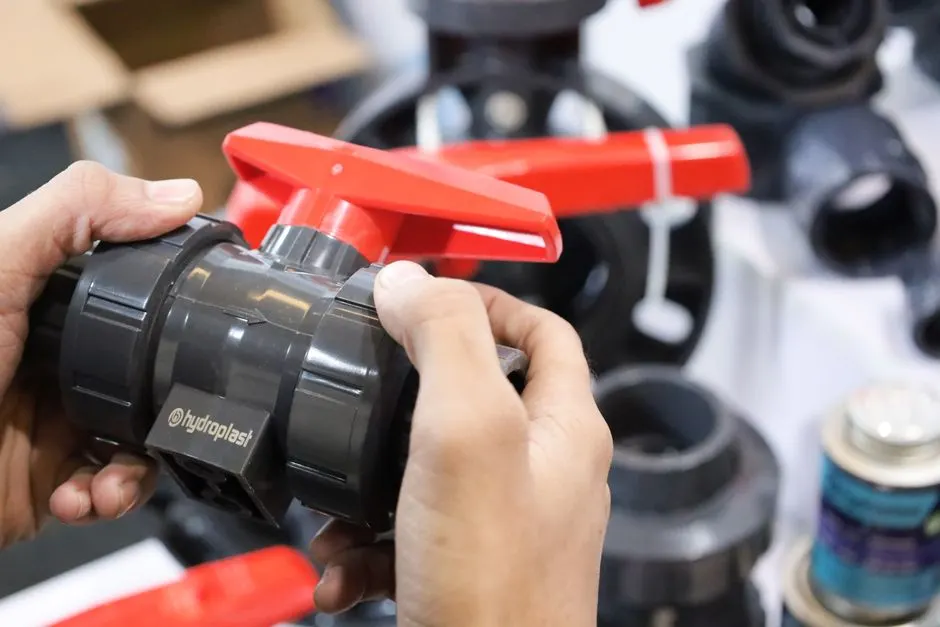
You call, we ask three questions: where is it backing up, how many fixtures are affected, and is there standing sewage. That tells us whether to send an emergency truck or schedule a diagnostic visit. Most metro calls get a same-day window; outlying areas like Kayenta or San Luis get the next available slot.
Pushed through the cleanout to record the full line. It shows cracks, root masses, bellies, and offsets, and lets us measure the distance to the failure so we dig in the right spot.
Blasts grease, scale, and roots out of the line at 3,000 to 4,000 psi. We use it to clear the line before a camera inspection and to cut roots without damaging sound pipe.
Mechanical cutting tools for smaller lines and soft clogs. A drain snake or auger clears the immediate blockage so the camera can pass and we can see the actual condition of the pipe.
Cuts the failed section cleanly and makes secure connections. The press fitting tool lets us join pipe without open flame in tight excavations or near finished surfaces.
Confirms whether a wet spot in the yard is a sewer leak or a water line leak. That distinction changes the repair entirely, and we check it before we dig.
Trenchless tooling that pulls a new pipe through the old one or installs a cured-in-place liner. It replaces or restores a line through two small pits instead of a full trench.
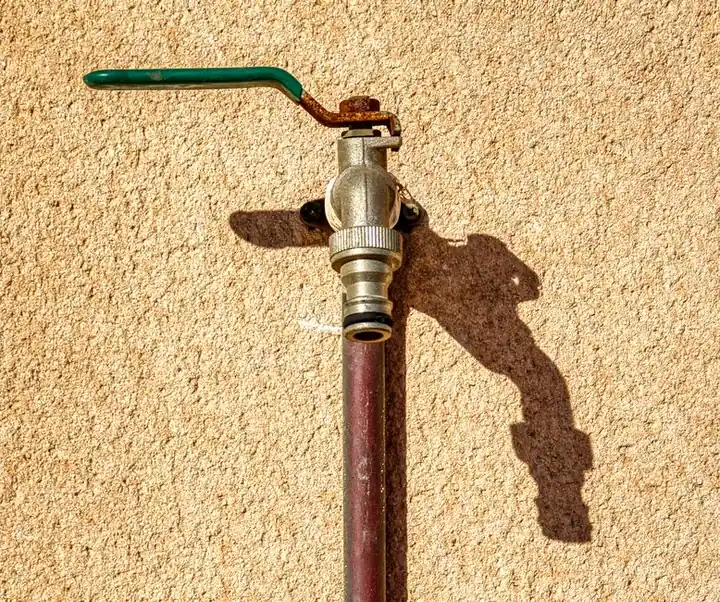
A 1970s Gilbert home had backups every three months. The camera showed a cracked clay sewer pipe section with roots entering at two joints. Two prior companies had only snaked the line, which cleared it temporarily but never fixed the crack.
After: We replaced 22 feet of clay pipe with new PVC pipe bedded in sand and coupled with shielded fittings. The flow test passed, and the homeowner has had no backups in over a year.
Book this service →A sloped lot in Camp Verde backed up after every heavy rain. The camera showed a 12-foot bellied section holding water and paper. The original pipe had been bedded directly on native soil with no gravel, so it settled.
After: We excavated the bellied section, re-bedded new PVC pipe on compacted gravel at correct slope, and backfilled in lifts. Two winters later, no backups.
Book this service →
A rental in Maricopa had recurring backups every four months despite regular drain cleaning. The camera showed a root mass at a joint 30 feet out. The roots had not yet cracked the pipe, but they were growing fast.
After: We cut the roots with a hydro jetting machine and installed a cured-in-place liner over the joint. The line has been clear for 18 months with no repeat calls from the tenant.
Book this service →Most sewer calls fall into a handful of categories. Here is what we see most often, what happens if you ignore it, and how we fix it.
Ask a pro →We camera the line, cut the roots out with a drain snake or hydro jetting machine, then repair or line the damaged section. If the joint is still sound, we can often clear and monitor instead of replacing.
We locate the failed section, cut it out, and replace it with PVC pipe bedded in sand. For long runs of failing clay, trenchless pipe bursting replaces the line without tearing up the whole yard.
We find the belly with the camera, excavate that section, re-bed the pipe at correct slope, and compact the soil so it does not settle again. This is a common fix in Arizona's expansive clay soils.
We treat it as an emergency, clear the blockage, and camera the line to find the cause. If the blockage is a break or root mass, we repair it the same day whenever parts and permits allow.
$1,200 - $15,000 depending on repair scope and method
Typical 2026 pricing in Arizona runs $1,200 to $4,500 for a spot repair and $6,000 to $15,000 for a full line replacement. Trenchless work costs more per foot but usually saves thousands in landscaping and concrete restoration. We quote flat-rate after the camera inspection, so you approve a number before we start. If the camera shows a simple clog instead of a break, we quote a drain cleaning instead and save you the repair cost entirely.
A sewer repair is not a place to save $500 by hiring an unlicensed crew. A failed repair means digging the same trench twice, and the second dig costs more than the first. We quote flat-rate, warranty the work, and show you the camera footage before and after.
Deeper lines mean more excavation, shoring, and time. A line 3 feet down is a straightforward dig; a line 8 feet down under a driveway needs shoring and careful backfill, which raises the cost.
Get a quote ↗PVC pipe and ABS pipe are common and affordable. Cast iron pipe and clay sewer pipe can require special couplings or full section replacement, which adds material and labor cost.
Get a quote ↗A 5-foot spot repair is priced very differently from a 60-foot replacement. We measure the failed run on camera and quote by the foot so you see exactly what you are paying for.
Get a quote ↗Trenchless sewer repair Arizona jobs cost more per foot but avoid tearing up driveways, patios, and mature trees. When restoration costs are factored in, trenchless is often the cheaper total.
Get a quote ↗“Our laundry drain backed up every time we ran a load. Two other companies told us we needed a full replacement. Rapidazplumbing ran a camera and found one cracked section about 18 feet out. They fixed it trenchless in an afternoon and showed us the after-footage. Half the price of the replacement quotes.”
Danielle R.Homeowner, Gilbert
✓ Verified“We manage a small rental portfolio and had a tenant with sewage coming up in the tub on a Friday night. Their crew was out by 10 p.m., jetted the line, and found root intrusion at a joint. They repaired it Monday morning and sent the camera video to our office. Straightforward and no drama.”
Marcus T.Property Manager, Maricopa
✓ Verified“Our house sits on a slope and the sewer line kept backing up after heavy rain. They figured out the line had bellied and was holding water. Replaced about 30 feet with new PVC pipe, re-bedded it, and we have not had a backup in two winters. They knew the local soil, which the first company clearly did not.”
Elena V.Homeowner, Camp Verde
✓ VerifiedMost spot repairs run $1,200 to $4,500 in 2026, and full line replacements run $6,000 to $15,000 depending on length and depth. Trenchless work costs more per foot than open trenching but usually saves thousands in landscaping and driveway restoration. Camera inspection, pipe material, depth, and whether the city requires a permit all move the number.
Licensed plumbing contractors with an active Arizona ROC Plumbing License and sewer-specific equipment. That means a camera, a locator, and either trenching gear or trenchless tooling. We handle residential sewer line repair in Arizona and commercial lines, and we pull permits where the city requires them. If a company cannot show you the camera footage, keep calling.
A spot repair takes two to four hours on site. A trenchless replacement of a 40-foot residential line runs one long day. Open-trench replacement of the same line runs one to two days, plus surface restoration. Mountain and rural jobs in places like Camp Verde or Youngtown can add travel and permit time, so we quote the full window up front.
Yes, in most cases. Trenchless sewer line repair in Arizona uses pipe bursting or cured-in-place lining, which needs only two small access pits instead of a continuous trench. It works on PVC pipe, ABS pipe, and cast iron pipe. Clay sewer pipe that has collapsed or offset more than about 30 percent may still need open excavation, and the camera tells us which method fits.
Our sewer crews cover the whole state, from the East Valley to the Verde Valley, the high country, and the Navajo Nation. Every city gets the same camera-first process and flat-rate quote. If your line is backing up and you need Arizona sewer repair company service today, call us and we will tell you honestly when we can be there.
Gilbert's mature subdivisions have root intrusion problems in ficus-lined yards. We camera the line, cut roots, and repair or line the damaged joints with minimal digging.
↗ 02 MaricopaMaricopa's fast-growing neighborhoods see joint failures as soil settles. We re-bed failed sections in sand and compact backfill to stop the line from bellying again.
↗ 03 San LuisSan Luis lines often run long distances to the main. We camera the full run, verify slope, and repair or replace failed sections with PVC pipe rated for the soil.
↗ 04 FlorenceFlorence has a mix of older clay sewer pipe and newer PVC. We handle both, matching couplings and bedding to the existing material so the repair holds.
↗ 05 Camp VerdeFreeze-thaw cycles in Camp Verde crack older pipe and shift joints. We replace failed sections and bed new pipe in gravel to resist frost movement.
↗ 06 Gold CanyonCaliche-heavy ground in Gold Canyon makes trenching slow. We use trenchless methods where possible to save time and protect desert landscaping.
↗ 07 YoungtownYoungtown's older homes often have cast iron pipe nearing the end of its life. We cut out failed sections and couple in new PVC pipe with shielded fittings.
↗ 08 ClarkdaleClarkdale's sloped lots and older infrastructure mean bellied lines are common. We locate the low spot, re-bed the pipe at correct slope, and test before backfill.
↗ 09 MountainaireMountainaire's high-country freezes crack pipe and open joints. We repair with PVC pipe rated for temperature swings and compact backfill to resist frost.
↗ 10 KayentaKayenta's rural lines often connect to distant mains or septic systems. We camera the full run, verify slope, and repair or replace failed sections with materials suited to the ground.
↗One call gets a camera in your line and a straight answer about what is wrong. We quote flat-rate, we warranty the work, and we clean up before we leave. Call (773) 985-1598 and let us get your sewer flowing again.
Book a Repair (773) 985-1598 →Call us any time, day or night. Our dispatch line is open 24/7 for emergencies, and our office answers regular calls Monday through Friday from 8 a.m. to 6 p.m. Most metro-area calls get a same-day window, and we text you the tech's name and ETA before arrival.